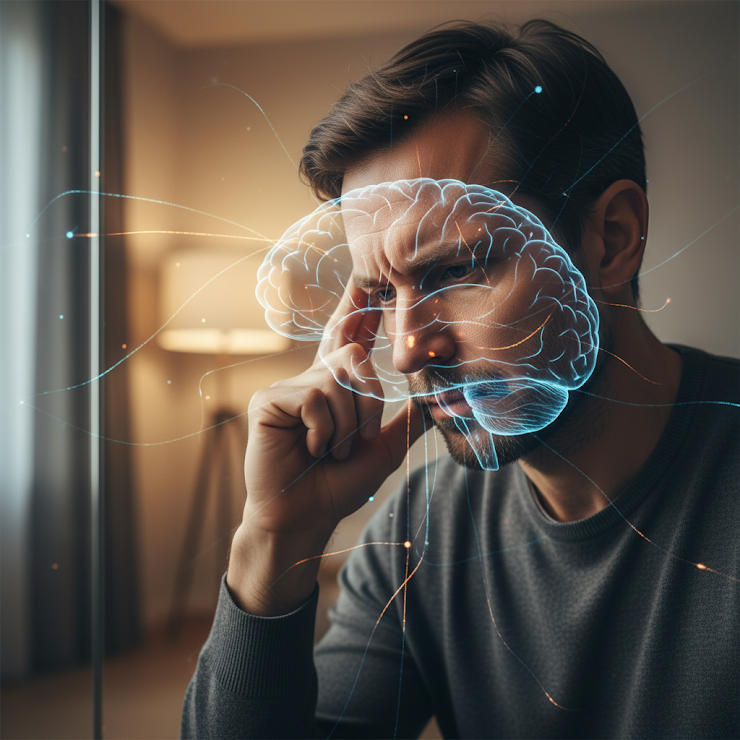
Addiction: Is it a Matter of Willpower or a Nervous System Problem?
Addiction is a condition characterized by an intense passion for a specific substance or behavior, leading to involuntary actions that negatively impact an individual's life. While frequently associated with substance abuse, behavioral addictions such as gaming and internet addiction are equally significant. Although the causes of addiction are multifaceted, one of the most debated topics remains whether the condition stems from a deficit in willpower or an underlying dysfunction within the nervous system.
The Reality of Addiction
It is increasingly accepted today that addiction is not just a weakness of will, but a complex biopsychosocial disorder. Experts suggest that addiction is determined by a range of factors, including genetic predisposition, environmental influences, brain chemistry, and individual psychological states. Various studies have shown that individuals with addiction have changes in their brain’s reward systems. These changes cause the individual to perceive the feeling of reward differently, thus increasing sensitivity to addictive substances.
Effects on the Brain and Nervous System
Brain chemistry plays a critical role in the addiction process. The chemicals that affect the reward system are neurotransmitters like dopamine. Dopamine increases the desire of the individual to repeat a particular behavior by creating feelings of pleasure and reward. Research indicates that addictive substances maintain the continuity of the satisfaction the person needs by increasing levels of this neurotransmitter. Over time, this situation significantly weakens the individual's will and leads to the reinforcement of addiction.
The Role of Willpower
Willpower is the ability of a person to control their behavior. The importance of willpower in fighting addiction cannot be denied, but approaching this issue from a narrow perspective can be misleading. Willpower not only encompasses the individual's self-discipline; it is also shaped by the individual's entire life circumstances, mood, and environmental factors. Relying solely on willpower to overcome addiction is often insufficient. It is necessary to include personal support, psychotherapy, and, if needed, medical intervention.
Addiction and Environmental Factors
Environmental factors play an important role in the development of addiction. Family dynamics, social environment, educational status, and cultural influences can effectively increase or decrease an individual's risk of addiction. For example, individuals in adolescence carry a higher risk because this period is a critical process in terms of social interaction and identity seeking. Environmental pressures can lead individuals to turn to addictive substances.
Conclusion: The Importance of the Equality of Will and Nervous System
Addiction is a condition involving a complex interaction and cannot be explained solely by willpower or nervous system problems. Both factors are important, and it is essential to adopt a holistic approach in the prevention and treatment of addiction. Clinical observations and studies indicate that providing individuals with multidimensional support is more effective in dealing with addiction. Therefore, in the fight against addiction, individuals need a holistic treatment process that compassionately addresses their needs, rather than focusing solely on willpower.
Specialist's Note: Remember, addiction is not a solo test of willpower, but a bio-psychosocial process that can be resolved through professional guidance. Therapy provides the safest harbor for restructuring both the mind and the soul. Do not hesitate to take that first step toward change; with expert support, you can reclaim control over your life.