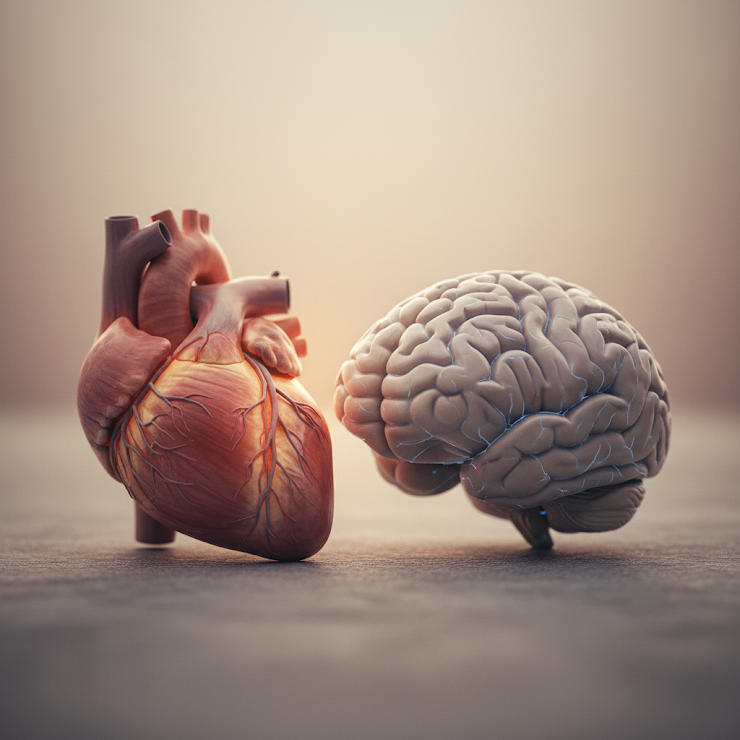
Definition of Love: Is the Heart or Brain More Effective?
Love is often associated with the heart, the racing pulse, the longing, the physical rush of emotion. Yet neuroscience and psychology suggest that falling in love is largely orchestrated by the brain’s complex reward and attachment systems. Dopamine, oxytocin, and our past relational experiences all shape who we are drawn to and how we bond. So, is it truly the heart that decides, or the brain that interprets and directs what we feel?
Definition of Love and Emotional Bonds
Love is a deep feeling of affection and attachment that individuals have towards each other. The term love can take different forms; such as romantic love, friendship love, familial love. However, in this article, we will focus specifically on romantic love. Experts state that love has both physical and emotional components. Romantic love is a complex structure that affects both the heart and the brain.
Heart: The Physical Face of Love
The heart is often used as a symbol of love; it is viewed as an organ that represents affection and passion. In the case of love, the physical changes occurring in the heart are striking. Love can accelerate heartbeats, increase blood pressure, and lead to increased sweating. Most of these physiological changes are associated with the release of hormones such as adrenaline and oxytocin in the body. Oxytocin is commonly known as the 'love hormone' and contributes to the strengthening of social bonds.
Brain: The Psychological Face of Love
Another important component of love is related to the brain. The brain manages the emotional and cognitive processes of love. Research shows how love affects many emotional centers in the brain. At the beginning of romantic love, the release of neurotransmitters such as dopamine and serotonin increases the feeling of happiness; this causes the individual to have a more positive outlook towards their loved ones. The ventral tegmental area of the brain creates a temporary feeling of reward when interacting with the person we love, which creates an addictive effect.
Love and Neuroscience
Neuroscience research reveals changes in the brain structure of love. Brain imaging techniques show that certain areas of the brain are more active in people who are in love. These areas are often associated with reward, motivation, and love. Interestingly, the activity love creates in the brain is associated with a positive flow of dopamine, like a state of addiction. Thus, one reason many people feel that love is 'a passion, an addiction' can be understood this way.
Personal Experiences and Emotion Regulation
Love can be experienced in different ways among individuals. Everyone's journey of love is unique, and during this journey, some emotions can be positive while others may be challenging. Especially the collaboration of the heart and brain affects our emotional regulation skills. For instance, while our heart rate increases, the brain can develop an emotional and cognitive response. Managing this plays a critical role in establishing a healthy relationship. Regulating our emotions and establishing healthy communication with our partner is essential for relationship development.
The Balance Between Heart and Brain
In conclusion, love is an emotional experience shaped by a complex interaction between the heart and brain. Both our heart and brain help us to form, maintain, and deepen loving relationships. Both are important in various aspects of love; therefore, the answer to whether one should be preferred over the other is unclear. Each individual's way of experiencing love is different, and this diversity enriches relationships.
Conclusion
When defining love, it is critically important to consider the interplay between the heart and the brain. Love is both an emotional and physical experience, and these two aspects, blended together, strengthen human relationships. Therefore, understanding and managing the balance between the heart and brain is necessary for developing a healthy relationship. It should be noted that love is a universal experience, and everyone has a different story.