Effective Ways to Manage Anxiety: Practical Strategies That Can Help
Have you ever felt your heart race for no clear reason, your chest tighten, or your thoughts spiral even when everything seems “fine”?
Maybe you replay conversations in your head, worry about what might happen, or feel constantly on edge tired, yet unable to relax.
If this sounds familiar, you’re not alone. And more importantly, you’re not weak.
Anxiety is a common emotional experience, but for many people it becomes persistent and overwhelming, quietly shaping daily life. While occasional anxiety is part of being human, ongoing anxiety can affect how we think, feel, and connect with others. The good news is that anxiety is not something you have to simply “live with.” With the right tools and support, it can be managed.
What Is Anxiety?
Anxiety is the body’s natural response to perceived danger or uncertainty. It often shows up as intense worry or fear about the future and can be accompanied by physical sensations such as a racing heart, sweating, trembling, restlessness, or difficulty breathing.
When anxiety becomes chronic, it can interfere with work, relationships, sleep, and overall quality of life. Many people try to push through it silently, not realizing that what they’re experiencing is a recognized and treatable mental health condition.
Core Strategies for Managing Anxiety
While there is no single solution that works for everyone, the following approaches are widely supported and can make a meaningful difference:
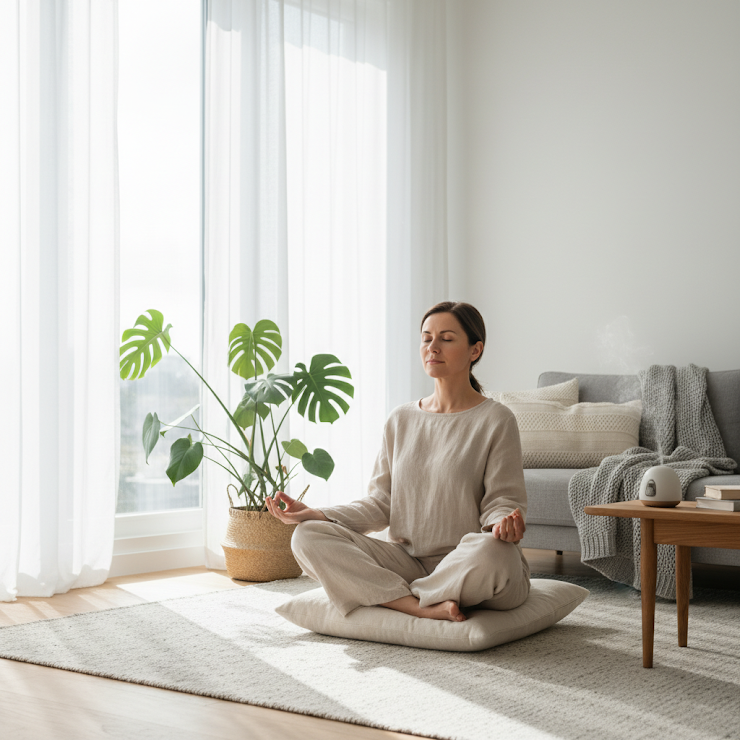
Breathing exercises: Slow, deep breathing especially breathing into the belly can help calm the nervous system during anxious moments and reduce the intensity of panic-like symptoms.
Physical activity: Regular movement helps release tension and supports the body’s natural stress-regulation systems. Even moderate exercise can improve mood and reduce anxiety over time.
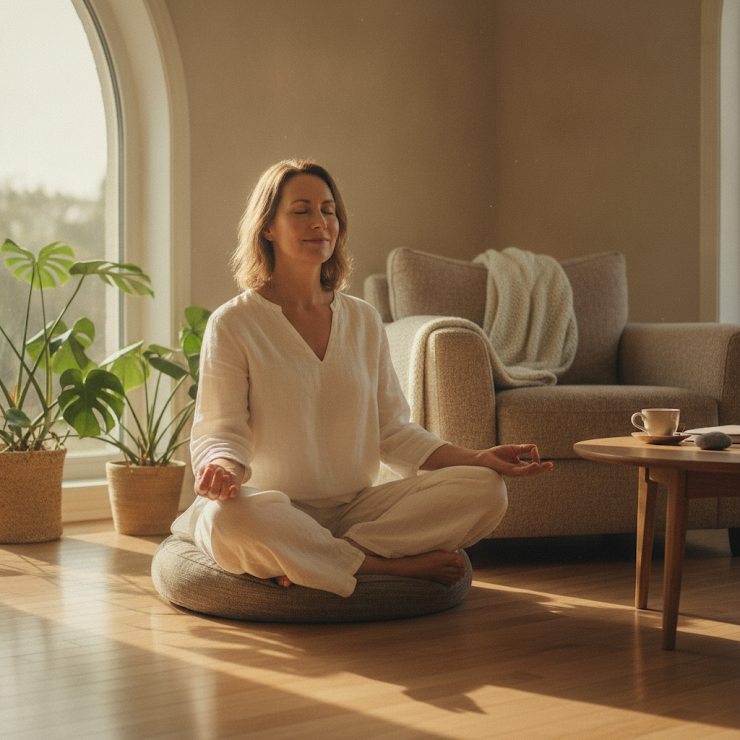
Mindfulness and meditation: Learning to observe thoughts without immediately reacting to them can reduce the grip anxiety has on the mind. Short, daily practices can be surprisingly effective.
Balanced nutrition: What we eat affects how we feel. Diets rich in nutrients, omega-3s, and antioxidants can support emotional balance.
Healthy sleep habits: Consistent, restorative sleep plays a crucial role in emotional regulation. Going to bed and waking up at regular times can significantly improve anxiety symptoms.
Therapy and Psychological Support
Many people benefit from professional support when dealing with anxiety. Therapy offers a space to understand where anxiety comes from and how it operates in your life.
Cognitive Behavioral Therapy (CBT), in particular, is one of the most effective approaches for anxiety. It focuses on identifying unhelpful thought patterns and gently reshaping them, helping individuals respond to anxiety with more clarity and control rather than fear.
The Importance of Social Connection
Anxiety often thrives in isolation. Having supportive relationships—whether with friends, family, or others who share similar experiences can ease emotional burden and remind you that you don’t have to face this alone.
Support groups and open communication can reduce shame, normalize experiences, and strengthen resilience.
Additional Gentle Suggestions
Make space for yourself: Even small moments of rest or activities you enjoy can help reset your nervous system.
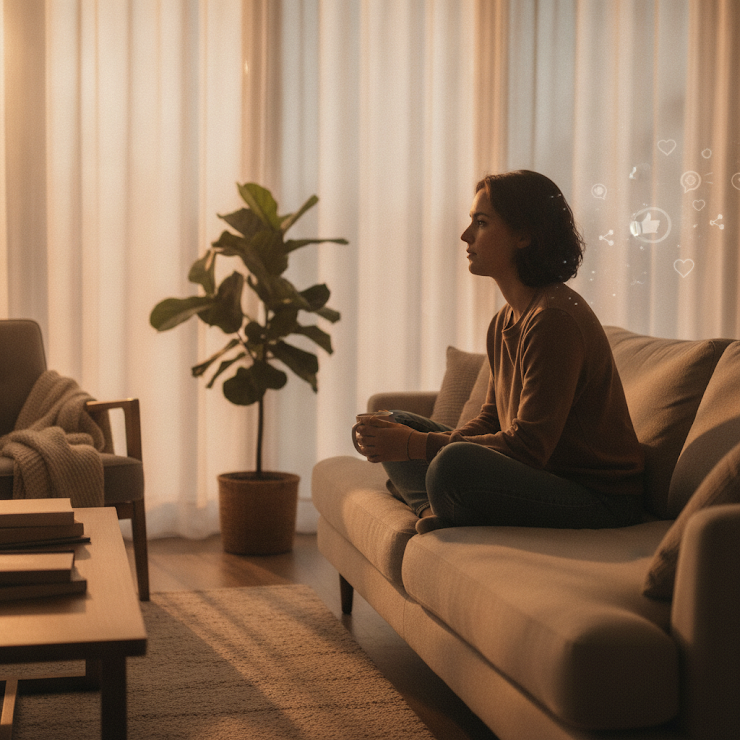
Limit constant stimulation: Continuous exposure to news and social media can heighten anxiety. Setting boundaries around screen time can be protective.
Acknowledge small wins: Noticing and appreciating small accomplishments builds confidence and reduces anxiety’s power.
Stay connected: Spending time with people you feel safe around can significantly lower stress levels.
A Final Note
Anxiety can feel exhausting and discouraging but it is manageable. What works may differ from person to person, and that’s okay. Exploring different strategies and seeking support is not a sign of failure; it’s a sign of self-care.
If anxiety has been affecting your daily life, terapiyle.com offers access to experienced mental health professionals who understand how overwhelming anxiety can feel. Therapy provides a safe, compassionate space to learn coping tools, explore underlying causes, and regain a sense of calm at your own pace.
You don’t have to “just cope.”
You deserve support and feeling better is possible.