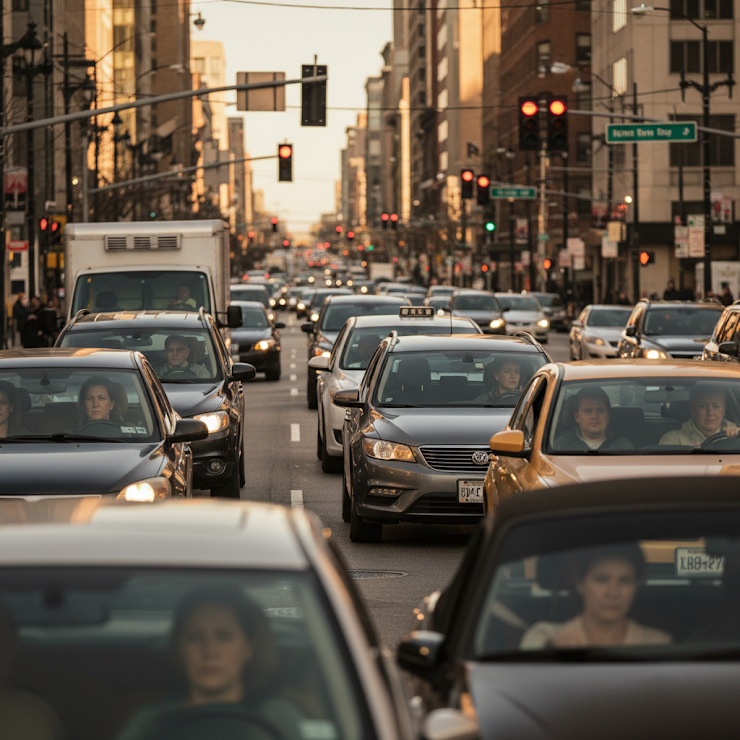
Lack of Empathy and Anger: Why Are We Ununderstanding While Driving?
In today’s fast-paced world, situations such as accidents, conflicts, and traffic congestion can significantly challenge individuals’ capacity for patience and understanding. In such contexts, anger often emerges not merely as an impulsive reaction, but as a reflection of how individuals cope with stress.
While anger can serve adaptive functions, difficulties in regulating it may lead to disruptions in interpersonal interactions. At this point, empathy; the ability to understand another person’s emotions and perspectives plays a critical role. When empathy is diminished, individuals are more likely to interpret others’ actions as threatening or negative, which can intensify and accelerate anger responses.
This dynamic becomes particularly evident in driving contexts, where anonymity is heightened and communication is limited. Instead of seeking to understand others’ behavior, there is a greater tendency toward personalization, which can foster intolerance, reduced understanding, and increased conflict. In this article, we will examine the relationship between lack of empathy and anger, with a specific focus on how these dynamics manifest during driving.
What is Empathy?
Empathy can be defined as the ability to understand and feel the emotions of others. Psychological research shows that individuals with high levels of empathy tend to be more successful in social relationships and use coping mechanisms for stress more effectively. Empathy creates a bridge between individuals, fostering understanding and cooperation. However, in the absence of empathy, people may remain insensitive to the situations and emotions of those around them.
The Relationship Between Anger and Empathy
Anger is an emotion that typically develops in situations where a person feels threatened. A lack of empathy can cause a person to become indifferent to the feelings of others. Experts argue that a lack of empathy makes individuals more prone to anger and negatively affects their expressions of this anger. For example, when a driver is faced with another driver's obstruction on the road, this can lead to anger; because this person is not considering the emotional state of the other driver at that moment or perhaps the difficulties they are experiencing. This type of situational lack of empathy results in insensitivity to the feelings of others encountered along the way.
Lack of Understanding While Driving and Lack of Empathy
Lack of understanding towards others while driving can stem from various factors. One of the fundamental reasons is a lack of empathy. The failure of drivers to see other people they encounter in traffic as individuals leads to indifference towards their feelings and thoughts. This indifference can trigger anger. For instance, when one driver suddenly brakes, the driver behind may become angry and react with profanities; however, it is overlooked that this situation may be a momentary mistake due to inattentiveness.
Methods for Coping with Anger
Coping with anger is important for building healthy relationships. Especially in stressful situations like driving, individuals need to control themselves. Below are some practical suggestions for managing anger:
Enhancing Awareness: Try to become aware of your emotions. Recognize your anger and ask yourself: What is the real reason underlying this emotion?
Deep Breathing: Deep breathing in stressful situations has a calming effect on the body. This can help you gain control over your anger.
Developing Empathy: Try to look from the perspective of others. Considering their feelings helps you to be more understanding.
Positive Thinking: Practicing positive thinking instead of negative thoughts fosters a more constructive viewpoint in your mind.
Improving Communication Skills: Learning ways to express your emotions in communication can prevent dissatisfaction in your relationships.
Conclusion
Lack of empathy causes many individuals to experience more anger and misunderstanding while driving. This situation can negatively affect not only interpersonal relationships but also daily life. Being able to manage our emotions will enhance not only our personal happiness but also the quality of life for those around us. Developing empathy and learning strategies to cope with anger are the keys to healthy communication.