Stress Management and Traffic: How Daily Tension Triggers Aggressive Driving?
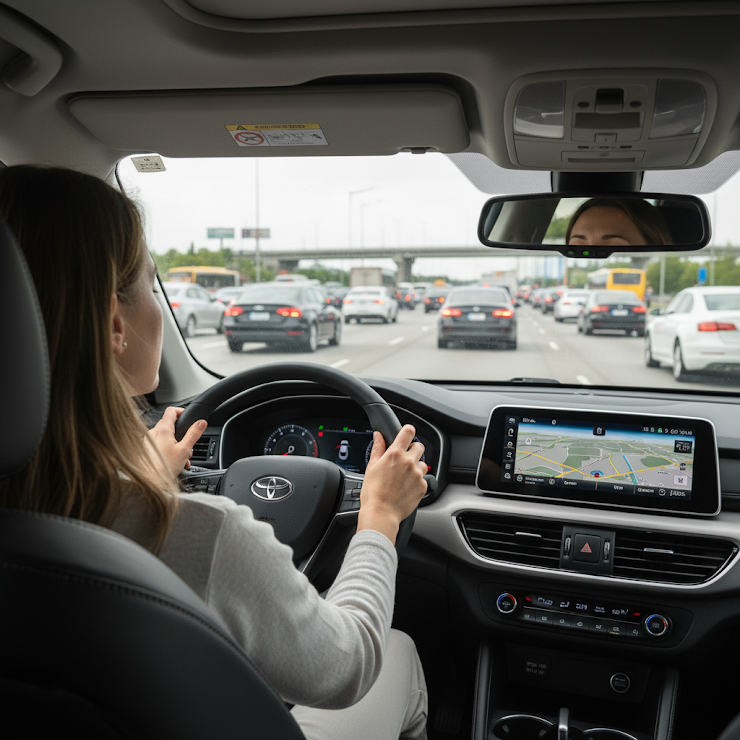
Traffic, as an inevitable part of modern life, holds a significant place in most of our daily routines. However, for many, traffic has become a source of stress added to daily stress. Research shows a direct relationship between traffic stress and aggressive driving behaviors. In this article, we will examine how traffic stress triggers aggressive driving and how we can manage this situation.
The Fundamentals of Traffic Stress
Stress is a natural response of the body to any difficulty or threat. Stress experienced in traffic often arises from factors such as crowded roads, long wait times, and pressure to reach a destination. Experts emphasize that such situations can negatively affect drivers' emotional states, leading them to become more aggressive.
The Physical Effects of Stress and Aggressive Behaviors
Stress in traffic not only affects our mood; it also creates physiological responses. Increases in heart rate, rapid breathing, and muscle tension can cause drivers to make faster and more sudden decisions. This situation can turn into an aggressive driving style that can lead to misunderstandings and accidents. For example, when wait times are extended, drivers may sometimes feel a sense of frustration, becoming more reactive and impatient.
Signs of Aggressive Driving Behaviors
Aggressive driving encompasses many different behaviors. These include failing to yield to others, cutting in line, excessive speeding, or unnecessarily arguing with others. It is important to remember that such behaviors put not only the drivers themselves but also other road users at risk. Experts point out that these aggressive behaviors are triggered by stress and that a person's mood is effective in this regard.
Stress Management Strategies
Managing stress in traffic is critical in preventing aggressive driving behavior. Here are some effective strategies:
- Breathing Exercises: Deep breathing can enhance relaxation in the body. Taking a few deep breaths while stuck in traffic can calm your mind.
- Time Management: Avoiding travel during peak traffic hours or leaving early considering traffic can reduce your stress levels.
- Music and Relaxing Sounds: Listening to calming music can lower your stress levels while driving. Additionally, creating a quiet and peaceful environment can improve your mood.
- Mindfulness Practices: Mindfulness techniques can help you live in the moment and distance yourself from unnecessary sources of stress.
Conclusion
Traffic can be an area where stress is intensely felt. However, by applying stress management strategies, it is possible to prevent this situation from triggering aggressive driving behaviors. These developed strategies can enhance the safety of both individuals and other road users. It should be noted that maintaining emotional balance in a stressful situation is extremely important for a safe and peaceful driving experience.