Road Rage Psychology: Causes of Sudden Anger Outbursts
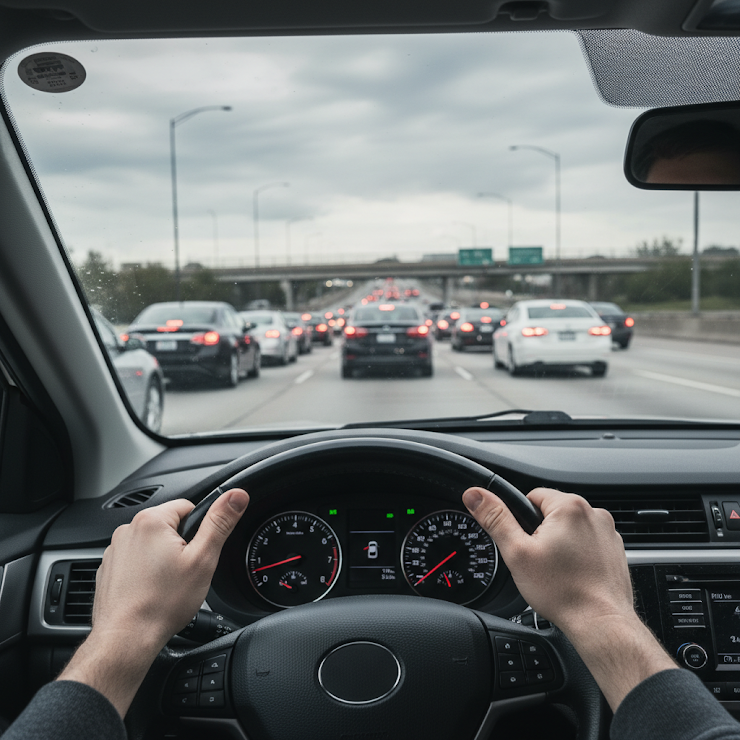
The accelerating pace of modern life and the increasing burden of stress have significantly transformed everyday experiences. One of the most visible domains of this transformation is time spent in traffic. For many individuals, commuting is no longer merely a transition from one place to another, but a context in which accumulated emotional strain is carried and expressed.
In this context, “road rage” can be understood as the externalization of stress and poorly regulated emotions toward other drivers. Yet, beyond the surface expression of anger, such reactions often reflect deeper psychological processes, including perceived loss of control, frustration, and a sense of injustice.
These sudden outbursts of anger on the road are not simply momentary emotional releases; they represent a multidimensional risk that can compromise both individual and public safety. Therefore, understanding road rage requires a comprehensive perspective that considers not only observable behaviors but also the underlying psychological dynamics. In this article, we will explore the core psychological mechanisms that contribute to road rage.
Psychological Foundations of Road Rage
Road rage is related to how individuals cope with negative emotions such as stress, anxiety, and burnout. Research shows that anger is not just a form of reaction but can also be seen as an expression reflecting individuals' inner states. Some fundamental reasons for these negative emotions experienced on the road are as follows:
Stress and Anxiety: The stress brought by daily life, combined with time spent on the road, can pave the way for anger outbursts. According to research, individuals under stress tend to be more irritable and impatient.
Loss of Control: Traffic congestion can lead drivers to experience a loss of control. A diminished sense of managing their lives can trigger anger outbursts.
Social Interactions: Interactions with other drivers, especially during "rule violations," can create anger. Encountering drivers who disregard the rules can disrupt individuals' emotional balance.
Pandemic and Social Isolation: In the post-COVID-19 period, societal tensions and increased feelings of loneliness may have raised instances of road rage.
Psychological Effects of Anger Outbursts
The anger outbursts experienced on the road have various psychological effects on individuals. These effects can be listed as follows:
Effects on Mental Health: Frequently experienced anger outbursts can negatively affect individuals’ overall mental health. In the long run, it can lead to increased stress and anxiety symptoms.
Effects on Relationships: Individuals may experience problems in their social relationships due to anger experienced on the road. This situation can harm family and friendship relationships.
Effects on Physical Health: Anger causes an adrenaline increase in the body. This can have negative effects on heart health.
Anger Management Strategies
Managing anger outbursts is essential for individuals to protect both their physical and psychological health. Here are some strategies that can help in this regard:
Emotional Awareness: It is important for individuals to accurately identify their emotions and learn ways to cope with these feelings.
Deep Breathing Techniques: They can try to calm themselves by taking deep breaths when stuck in traffic.
Planning Alternative Routes: Avoiding peak hours or times of heavy traffic can reduce levels of irritation.
Mindfulness Practices: Mindfulness or awareness meditation can be effective in reducing immediate emotional reactions.
Conclusion
Road rage is a situation driven by complex psychological dynamics. It is important for individuals to develop awareness to cope with such situations and maintain a healthier mental state. Raising awareness in this regard is crucial not only for personal safety but also for societal peace.