Should I Use Sleep Medications? Types, Risks, and Natural Solutions
In the aftermath of a sleepless night, the world appears a bit grayer, and our minds move a little slower. We have all felt that occasional longing for "one single pill" to drift into a deep, peaceful slumber. However, rather than being a definitive solution, sleep medications are often just a temporary bridge. So, when exactly should you cross that bridge?
Types of Sleep Medications
Sleep medications are generally divided into two main groups:
1)Prescription Medications: These medications are prescribed by a doctor and typically have stronger effects. Some common medications in this group include:
benzodiazepines: Medications like alprazolam, diazepam; effective but have a high potential for addiction.
Non-benzodiazepines: Medications like zolpidem, eszopiclone; have fewer side effects, but should still be used with caution.
2)Over-the-Counter Medications: These medications often contain antihistamines or natural components like melatonin. Common ones include:
Diphenhydramine: An antihistamine component that can reduce issues leading to insomnia.
Melatonin: A hormone naturally found in the body that can support sleep regulation.
Both types of medications can be effective for a certain period, but long-term use is not recommended.
Risks of Sleep Medications
The use of sleep medications carries some risks:
Addiction: Especially prescription sleep medications have a potential for addiction. Withdrawal symptoms may occur when attempting to stop usage.
Side Effects: Side effects such as dizziness, sleepwalking, memory loss may occur, which can affect daily life.
Daytime Emotional State: Long-term use of sleep medications can increase problems such as daytime fatigue and depression.
In the long run, sleep medications offer a temporary solution instead of addressing the root cause of the problem. Therefore, it is important to make a careful assessment.
Natural Solutions and Alternative Methods
There are also natural and effective ways to cope with sleep problems. These include:
Regular Sleep Schedule: Going to bed and waking up at the same time every day regulates your body clock. This can help you develop healthier sleep habits.
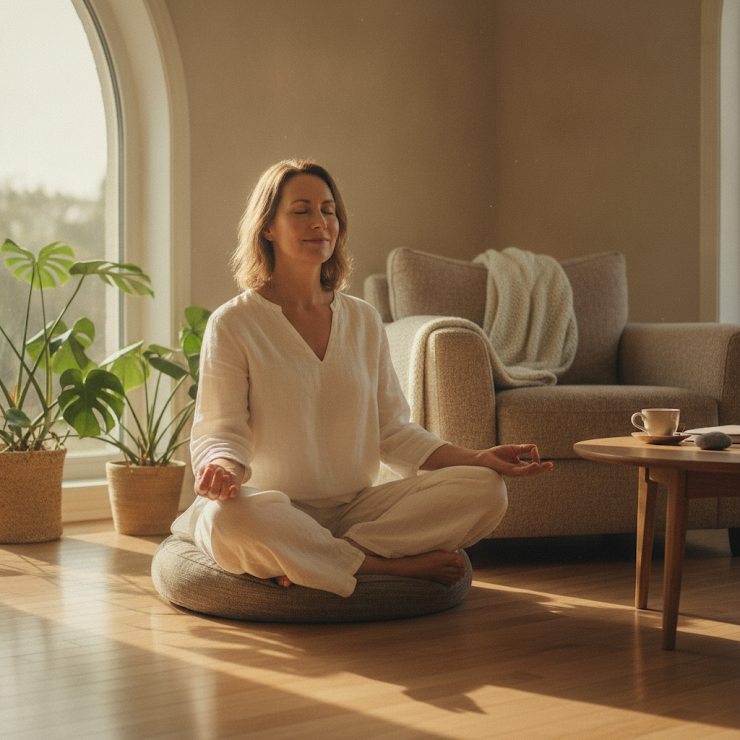
Relaxing Activities: Practicing meditation, deep breathing exercises, or light yoga before bed calms the mind.
Natural Herbal Remedies: Herbal teas like chamomile, lemon balm, and lavender are known for their relaxing effects. One of these teas can be consumed before sleep.
Proper Sleep Environment: Keeping your room dark and cool can improve sleep quality. Noise and light can disrupt your sleep pattern.
Diet and Nutrition: Avoiding heavy meals and limiting alcohol intake can positively affect your nighttime sleep.
Natural solutions offer a healthier approach depending on the causes of your sleep problems. Additionally, they provide a sustainable solution in the long run.
Conclusion
Sleep medications can offer a short-term solution in some cases. However, considering potential addiction and side effects, the long-term use of these medications is not recommended. Following natural methods and adhering to sleep hygiene rules is the best way to establish a healthy sleep pattern.
Specialist’s Note: You Are Not Alone
If your sleep struggles have persisted for longer than a month, this may be more than just simple fatigue; it could be a signal of an underlying anxiety disorder, sleep apnea, or a hormonal imbalance. Remember, while sleep medication offers a temporary "band-aid" solution, therapy allows you to address the actual roots of the problem. As 'Terapiyle' we are here for you with professional therapeutic support to quiet the noise in your mind and transform sleep from a battlefield back into a peaceful sanctuary. Together, we can reclaim your nights.