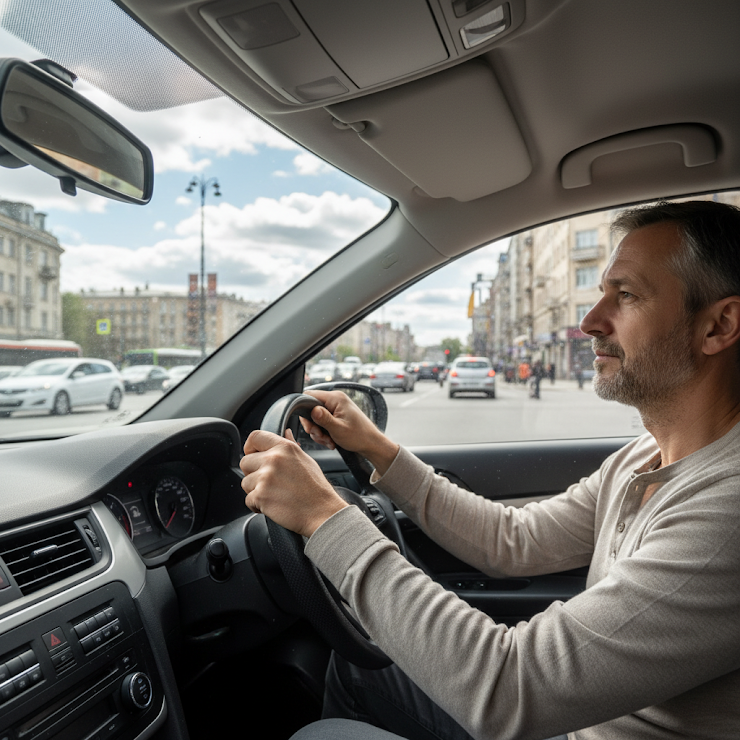
Traffic Anger Management: Scientific Ways to Control Yourself
The increasing pace of modern life and the growing burden of chronic stress have become significant factors challenging individuals’ capacity for emotional regulation. This is particularly evident in traffic environments, where uncertainty, perceived loss of control, and time pressure are highly prevalent.
Research indicates that situations triggering anxiety and anger in traffic are quite common. Surveys conducted in Turkey suggest that a substantial proportion of drivers—up to 70%—report experiencing anger-related difficulties while driving. These findings imply that road-related anger is not merely an individual weakness, but rather a widespread experience shaped by the interaction of environmental and psychological factors.
At this point, the key issue is not the presence of anger itself, but how it is regulated and expressed. Developing effective emotion regulation strategies plays a critical role in maintaining psychological well-being and enhancing road safety. In this article, we will examine evidence-based approaches to managing anger and strengthening self-control in traffic.
What is Anger and Why Does It Occur?
Anger is typically a natural emotional response given by individuals in the face of perceived threats. Anger can manifest as both an emotional and a physical reaction. Drivers may feel angry due to unexpected situations, the careless behaviors of other drivers, or the failure to adhere to traffic rules. These types of situations can lead individuals to experience feelings of uncertainty and loss of control.
Basic Methods for Anger Management
Anger management involves not only being aware of anger but also developing strategies for managing this emotion. Here are some methods you can apply for anger management in traffic:
Emotion Awareness: It is important for an individual to recognize the reasons behind their anger and how this emotion affects their body. When the feeling of anger begins, finding the source of that feeling and exploring it can provide more effective management.
Deep Breathing Exercises: Instead of taking quick breaths during an anger episode, taking deep and slow breaths helps relax the body. With the 4-7-8 technique; you can breathe in through your nose for 4 seconds, hold for 7 seconds, and exhale through your mouth for 8 seconds.
Positive Reframing: Evaluating negative situations from alternative perspectives can lighten your anger. For example, instead of viewing another driver's careless behavior as a personal attack, you might consider that the person is having a stressful and tough day.
Physical Activity: Exercise is an effective way to manage anger. Regular physical activity reduces stress and improves mood.
Creating a Good Music Playlist: Listening to relaxing music while driving improves your mood. Music can positively influence your emotional responses.
Cognitive Distortions Related to Anger
When managing anger, we often make cognitive distortions. These distortions increase the feeling of anger. For example; thoughts like "Everyone should agree with me" or "If someone is cutting me off, they are definitely disrespectful" can negatively impact our emotional state. Questioning such thoughts and moving towards a more flexible perspective can be beneficial.
Experts' Opinions and Research
Experts emphasize that traffic anger is an issue threatening public health. Studies indicate that drivers who cannot manage their feelings of anger have a higher risk of accidents compared to other drivers. Anger management practices are beneficial for both individuals and society. Clinical observations reveal that the implementation of these strategies significantly reduces individuals' stress levels.
Ask Yourself Questions
Everyone can feel angry from time to time. However, to manage and control this emotion, you can ask yourself some questions:
Do I really need to be angry in this situation?
What does my anger add to me?
How can I evaluate this situation in a more positive way?
Is my anger harming others?
These questions help you question your emotions and allow you to develop a more constructive approach.
Conclusion
Traffic anger management is an important skill that provides both individual and societal benefits. By applying emotion regulation techniques, you can experience a more peaceful and secure driving experience. Learning to cope with anger is an important step not just for yourself but also for other drivers on the road. Remember, every journey is a journey of discovery; when you learn to manage yourself, these journeys will become more enjoyable.