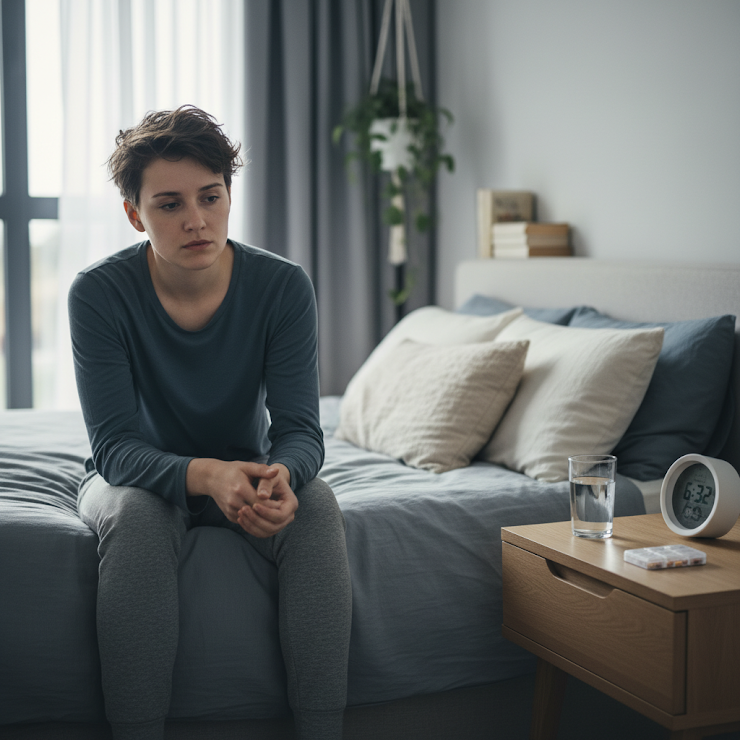
What Causes Constant Sleepiness, What Does It Mean?
Nowadays, many people express that they feel tired and sleepy throughout the day. Constant sleepiness is not only related to sleep deprivation for one night or working late, but it can also be an indication of various health issues or psychological conditions. In this article, we will explore the possible causes of constant sleepiness and what it signifies in depth.
Possible Physical Causes of Constant Sleepiness
Physical problems are one of the most common causes of constant sleepiness. Below are some important health issues that may trigger this condition:
- Sleep Apnea: Sleep apnea is a condition that causes breathing to stop during sleep. This disorder decreases sleep quality and the person wakes up tired in the morning.
- Iron Deficiency Anemia: When there is not enough iron in the body, the oxygen-carrying capacity decreases, which can lead to a constant feeling of exhaustion.
- Thyroid Problems: In the case of hypothyroidism (underactive thyroid gland), energy in the body decreases, and the feeling of fatigue increases.
- Chronic Fatigue Syndrome: This syndrome is characterized by long-term excessive fatigue and a sense of exhaustion that does not go away with rest. Symptoms include muscle pain, sleep disorders, and concentration problems.
- Diabetes: Low blood sugar levels can lead to fatigue and sleepiness. This situation is more pronounced when diabetes is not under control.
Psychological Causes
Some psychological conditions can also lead to constant sleepiness. These include:
- Depression: Depression can lead to loss of energy and sleep disorders. Some people try to cope with excessive sleepiness, while others find it hard to fall asleep.
- Anxiety Disorders: Constant worry and stress can lead to sleep problems. Anxiety conditions keep the body in a constant state of alertness, making it difficult to relax.
Lifestyle Factors
Lifestyle can also influence constant sleepiness. For example:
- Insufficient Sleep: Not getting the necessary amount of sleep can lead to a feeling of exhaustion. Adults are generally recommended to sleep 7-9 hours each night.
- Unbalanced Diet: Nutritional deficiencies can increase feelings of fatigue. Particularly high consumption of processed foods and sugars may affect energy levels.
- Lack of Physical Activity: Regular exercise increases energy levels. Conversely, inactivity can lead to a constant sense of sleepiness.
When Should We Seek Professional Help?
If constant sleepiness persists for a certain period and affects quality of life, it is important to seek professional help. You should consult a specialist in the following situations:
- Constant sleepiness that does not go away despite getting enough sleep.
- Fatigue accompanied by other symptoms (e.g., excessive weight loss, changes in appetite, mood changes).
- Sudden changes in your sleep pattern.
Experts can conduct a detailed assessment to address this condition and design necessary tests. Constant sleepiness can sometimes be corrected with simple lifestyle changes, while in other cases, medical intervention may be required.
Conclusion
Constant sleepiness can make survival difficult and affect our daily functioning. Understanding the underlying causes of this condition is essential. Considering both physical and psychological factors is vital for an accurate assessment. Appropriate therapies and lifestyle changes can help on the path to sustainable improvement.