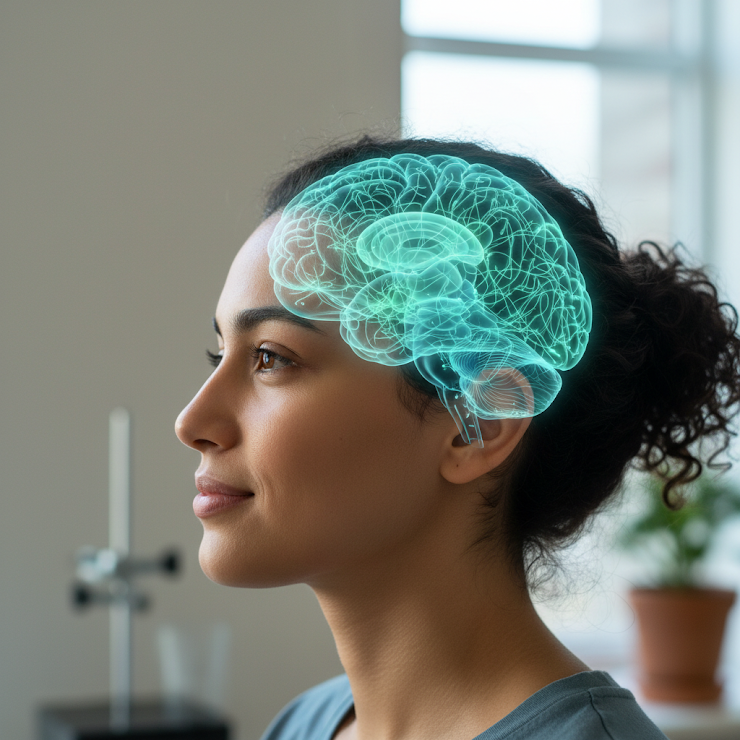
Dopamine Deficiency: What It Is, Common Signs, and Ways to Support It
Have you been feeling constantly tired, unmotivated, or emotionally flat lately?
Do even small tasks feel overwhelming, as if your energy is always running on empty?
If you’ve found yourself wondering “What’s wrong with me?”, it may help to know that sometimes the issue isn’t a lack of willpower but a struggle with dopamine balance.
Dopamine is an essential neurotransmitter in the brain. It’s often called the “happiness hormone,” but its real role goes much deeper. Dopamine is closely connected to motivation, drive, reward, and our ability to take action. In many ways, it’s what helps us feel engaged with life. When dopamine levels are low, both the mind and body can begin to feel heavy.
Why Dopamine Matters
Dopamine plays a central role in the brain’s reward system. It helps us move toward goals, stay focused, and experience a sense of satisfaction from what we do. It also supports learning, attention, and physical movement.
When dopamine levels are balanced, people often feel more energized, curious, and mentally clear. When this balance is disrupted, however, life can start to feel dull, exhausting, or emotionally distant even when everything looks “fine” from the outside.
Signs of Dopamine Deficiency
Dopamine deficiency doesn’t look the same for everyone, but common experiences include:
Low energy: Feeling tired or depleted no matter how much you rest
Loss of motivation: Difficulty finding interest in things you once enjoyed
Emotional ups and downs: Irritability, emptiness, or emotional numbness
Trouble focusing: Mental fog, distractibility, or difficulty learning
Physical changes: Sleep problems, appetite changes, or unexplained body aches
These signs are often misunderstood as laziness or lack of discipline. In reality, they can be signals that your nervous system is under strain and asking for support.
How Dopamine Can Be Gently Supported
Supporting dopamine isn’t about quick fixes it’s about building sustainable, compassionate habits:
Balanced nutrition: Foods rich in protein, omega-3s, and antioxidants (such as fish, nuts, dairy, and leafy greens) support dopamine production.
Movement: Regular physical activity, especially walking or cardio, naturally boosts dopamine levels.
Quality sleep: Healthy dopamine function depends on consistent, restorative sleep.
Stress regulation: Practices like mindfulness, breathing exercises, yoga, or meditation help stabilize dopamine levels.
Novelty and goals: Learning something new, setting small achievable goals, and engaging in stimulating activities can activate the brain’s dopamine system.
When Professional Support Can Help
Sometimes lifestyle changes aren’t enough especially when low motivation, emotional emptiness, or focus problems persist over time. In those cases, it’s important to look not only at symptoms, but also at the emotional experiences beneath them.
At terapiyle.com, you can connect with experienced therapists who understand how motivation loss, emotional fatigue, and inner emptiness affect daily life. Therapy provides a safe space to explore what’s happening beneath the surface and to rebuild balance at your own pace, without judgment.
You’re not failing.
You’re responding to something real.
And support can make a meaningful difference.