What is the 2-Year Syndrome, How is it Managed?
The 'terrible twos' describe a critical period where children struggle to express themselves while discovering their independence. Around the age of two, children begin to develop language skills, express their identity, and interact more deeply with their environment. However, this process often brings behavioral challenges and emotional fluctuations. In this article, we will focus on the symptoms and causes of the two-year-old syndrome, and how parents or caregivers can effectively navigate this stage.
Symptoms of the 2-Year Syndrome
The 2 year syndrome typically manifests with certain characteristics that are evident in children's behavior. Some of these symptoms are listed below:
Rebellion and Stubbornness: Children are trying to express themselves. This period is a time when the "no" response is frequently given.
Irregularity of Thought and Emotions: A child may frequently confuse happiness with anger outbursts. This can create a challenging situation for parents.
Increasing Demands for Independence: A child emphasizes their quest for independence with phrases like do it yourself, I can do it too.
Emotional Extremes: Emotional ups and downs can negatively affect the emotional states of children.
Causes of the 2-Year Syndrome
The underlying causes of the two-year syndrome are generally based on psychological and developmental factors. As children continue to develop both physically and cognitively during this period, their emotional structures are also impacted by these changes. Research shows that how parents approach their children and how the environment shapes a child's behaviors is significant. Here are the main causes of the two-year syndrome:
Developmental Changes: By the age of two, a child undergoes significant changes in their physical and cognitive development. This process can create challenges in maintaining emotional balance.
Lack of Language Skills: A child experiences frustration when they cannot fully express their feelings and desires.
Quest for Independence: Children are eager to do things on their own; this can sometimes result in stubbornness.
Environmental Factors: Parental attitudes, family stress, and environmental stimuli have a strong influence on a child's behaviors.
Ways to Manage the Two-Year Syndrome
Managing the two-year syndrome can be challenging for parents, but it is possible to ease the process by applying certain strategies:
Establishing Routines: It is beneficial to create a regular daily routine for children to develop a sense of security. This reduces uncertainties and helps children feel safe.
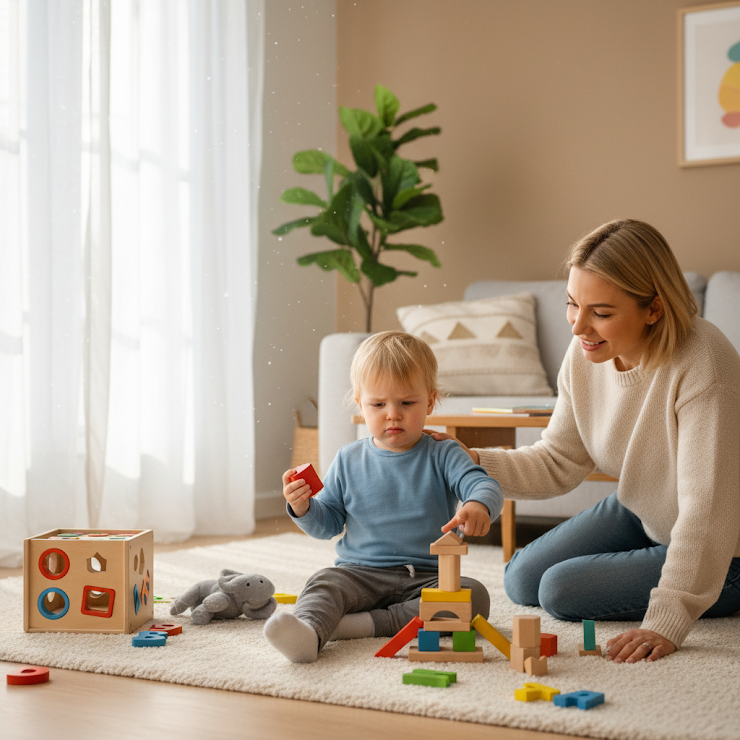
Providing Alternative Expression Methods: Help the child find alternative ways to express their feelings and needs. Activities such as drawing and playing with toys can be helpful in this regard.
Staying Calm: While dealing with the child's emotional reactions, it is important for parents to remain calm as well. Maintaining emotional balance should set an example for the child.
Improving Communication: Talking about and informing feelings is an effective method for coping with the two-year syndrome. For example, asking children questions like "How do you feel in this situation?" can be beneficial.
Setting Boundaries: Establishing boundaries in any situation for children provides them with a safe environment. However, it is important that these boundaries are clear and consistent.
Conclusion
The two-year syndrome is a natural part of children's emotional development. It is important for parents to approach this process with understanding and provide appropriate support to their children. It should be noted that every child is different and the two-year syndrome varies from child to child. Managing this period helps facilitate healthier development for both parents and children.
Specialist's Note:
For parents, this period marked by frequent 'nos' is actually a child's way of saying, 'I exist too.' The two-year-old syndrome is not a behavioral disorder, but rather a sign of healthy personality formation. A child's tantrums are the bridge between their developing will and their still-inadequate emotional regulation skills. Patience and clear boundaries are the two master keys to this stage.