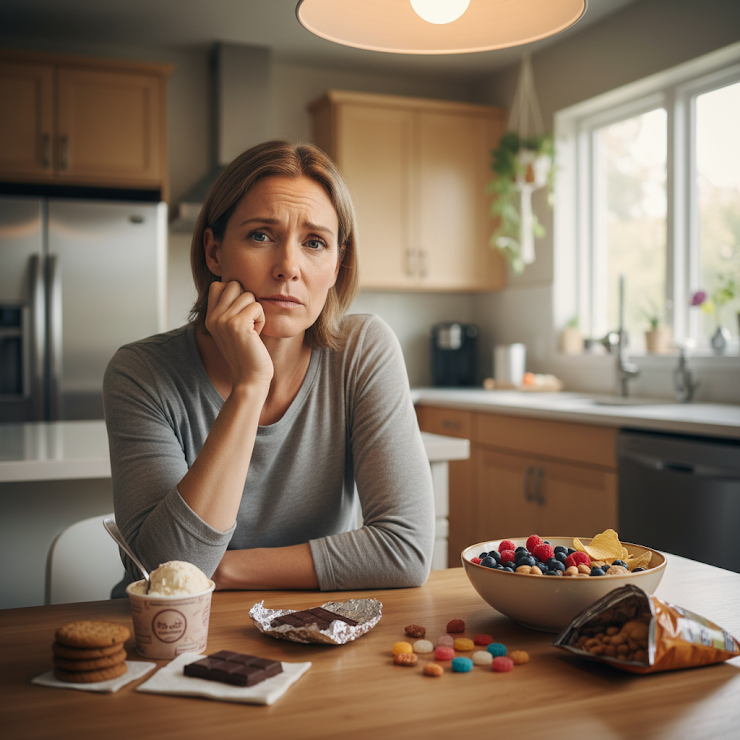
Why Do We Eat More When We Are Stressed?
Stress is an inevitable reality in human life. Challenges in various areas such as work, relationships, or health can affect individuals' moods, leading them to different coping methods. One of these coping methods is eating behavior. So, why do we eat more when we are stressed? This article examines the effects of stress on our eating behaviors, exploring both psychological and biological dimensions.
Psychological Effects of Stress
Stress can create emotional challenges, leading individuals to experience anxiety, restlessness, and depression. Research shows that during stressful periods, people often exhibit a behavior known as "emotional eating." Emotional eating is the consumption of food as a coping mechanism for emotional distress, and this behavior is more commonly seen when people are under stress.
Brain Responses and the Relationship with Food
Stress increases the release of a hormone called cortisol in the brain. Cortisol plays a crucial role in the body's stress response mechanism. However, high levels of cortisol can lead to increased appetite and intensified cravings for food. Experts note that cortisol specifically has a pulling power towards high-calorie and sugary foods. Therefore, when we are stressed, we are more likely to consume unhealthy foods.
Emotion Regulation and Eating
Eating as a coping mechanism for stress can provide emotional relief for some individuals. Food creates a temporary sense of happiness, and as a result, individuals may be encouraged to eat more to avoid these uncomfortable feelings while coping with stressful situations. While this may provide short-term satisfaction, it can lead to health problems in the long run.
Changes in Eating Habits
During stressful periods, there are generally two main changes observed in eating habits: overeating or loss of appetite. Some individuals eat more when stressed, while others prefer not to eat at all as a way of coping with stress. This situation varies depending on individuals' coping strategies and personality traits. For example, one person may seek social support to cope with stressful situations, while another turns to food.
Improving Eating Habits Positively
It is possible to improve eating habits during stressful periods. Implementing the following strategies can be helpful:
- Mindful Eating: Be aware of when and why you eat your food. This can help prevent emotional eating.
- Healthy Alternatives: Opt for healthy snacks during stressful moments. Vegetables, fruits, and nuts can be strong alternatives.
- Stress Management Techniques: Techniques such as meditation, yoga, and deep breathing can reduce your stress levels and positively influence changes in your eating habits.
- Social Support: Spend time with close friends or family. Social support can lower stress levels and prevent emotional eating.
Conclusion
Stressful periods can negatively affect our eating habits. Emotional eating is a method frequently resorted to in coping with stress. However, this can lead to health problems in the long run. Developing mindful eating habits can help us cope with stress more healthily. Remembering to be gentle with ourselves during this process is a vital part of the steps we take towards change.